Why Roof Rats Are Miami's Biggest Pest Problem
The roof rat (Rattus rattus) is the dominant rat species in Miami-Dade County. Unlike Norway rats that live at ground level, roof rats are climbers. They nest in attics, palm trees, fruit trees, and dense vegetation above ground. They access your home by traveling along tree branches, power lines, fence tops, and rooflines.
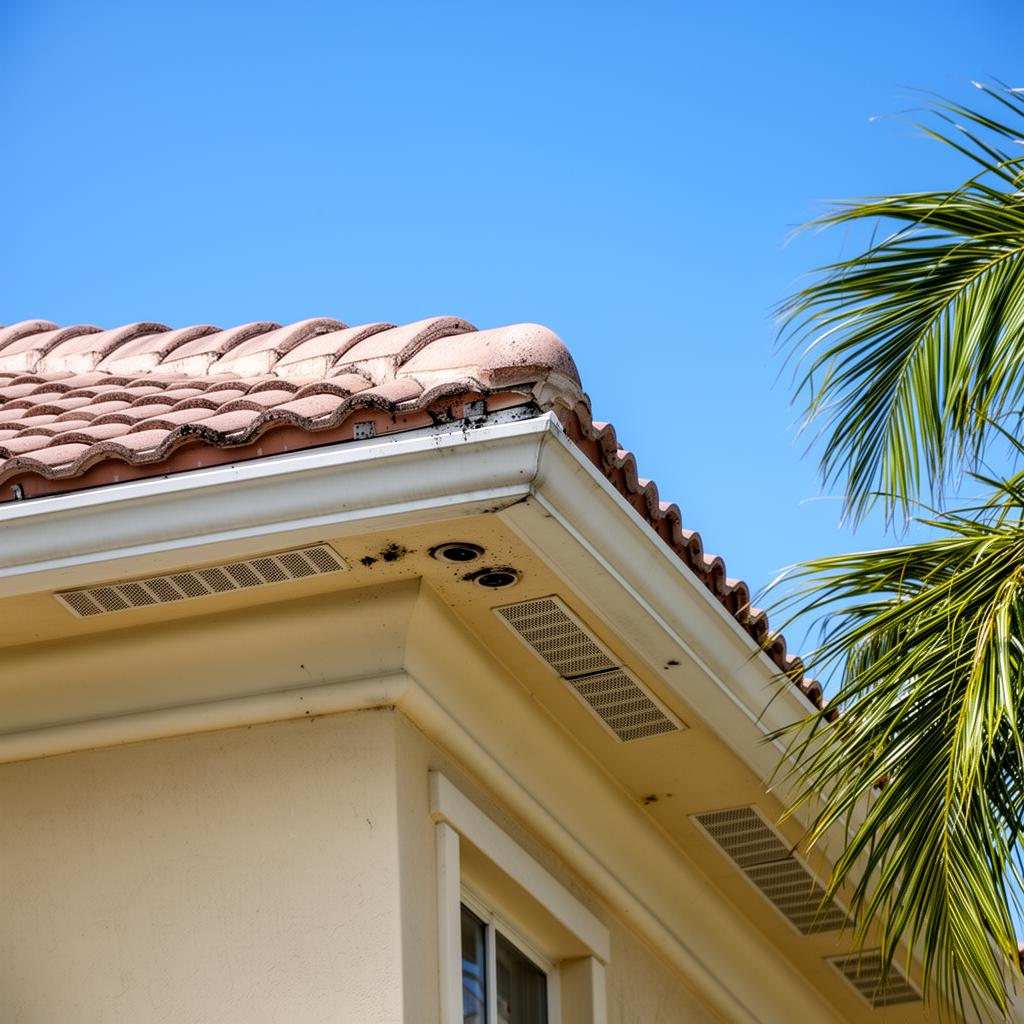
Once a roof rat finds a gap in your soffit, eave, ridge vent, or where a pipe penetrates the roof, it moves into the attic. Attics in Miami are warm, dark, and full of insulation perfect for nesting. A single female produces 5 to 8 pups per litter and can have 4 to 6 litters per year. One pair of roof rats can turn into a full colony inside a few months.
Neighborhoods with heavy tree cover are the most affected. Coral Gables, Coconut Grove, South Miami, Pinecrest, and parts of Kendall all have mature mango, avocado, and citrus trees that give roof rats food and direct access to rooflines.
We remove roof rats with commercial-grade trapping placed in active attic runways. No poison. Poison causes rats to die inside your walls, creating a decomposition stench that lasts weeks. After trapping, we perform full rodent exclusion: sealing every soffit gap, ridge vent opening, plumbing penetration, and A/C chase with steel mesh, metal flashing, or hardware cloth.
If your attic has droppings, urine contamination, or damaged insulation, our attic cleanup and sanitation team handles full restoration.
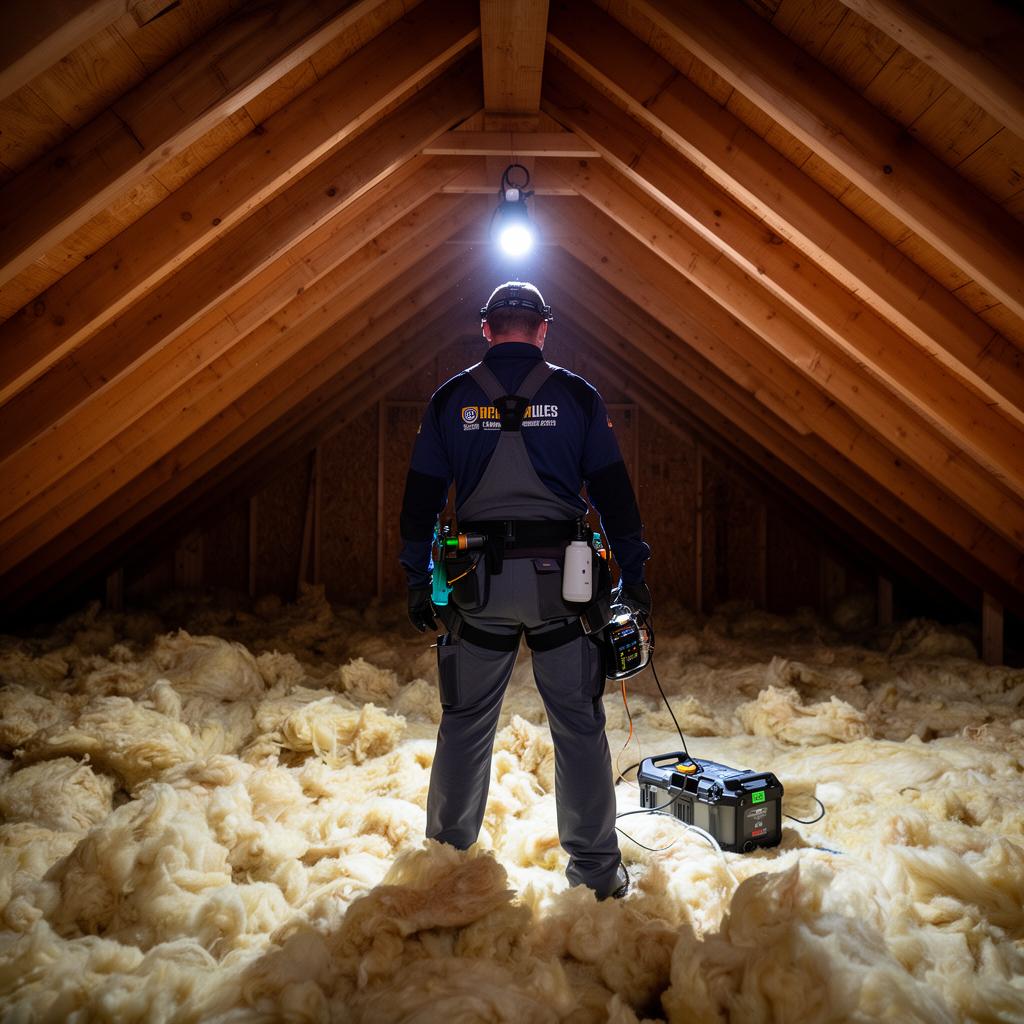
Signs of Roof Rats in Your Attic
- Scratching, scurrying, or thumping sounds in the attic at night
- Droppings on the attic floor, typically 1/2 inch long with pointed ends
- Gnaw marks on wood beams, wiring, PVC pipes, or ductwork
- Disturbed or tunneled insulation with visible runways
- Greasy rub marks along roof beams or near entry points
- Fruit trees near the house with chewed fruit or frequent rat sightings at dusk
How Much Does Roof Rat Removal Cost in Miami?
Roof rat removal with attic trapping and soffit/eave exclusion typically runs $500 to $1,200 for a standard single-story Miami home. Larger homes, tile roofs with multiple penetration points, or properties with heavy tree canopy access may run $1,500 to $2,500. Attic cleanup and insulation replacement is priced separately.
Frequently Asked Questions
Roof rats are a specific species (Rattus rattus), also called black rats. They're smaller and more agile than Norway rats and prefer high spaces like attics and trees.
Yes. They chew through soffit material, ridge vents, and roof decking. They also gnaw on electrical wiring in the attic, which creates a fire risk.
Roof rats are nocturnal. They're most active between dusk and dawn. Scratching at 2 or 3 AM is almost always roof rat activity.
Absolutely. Cutting back branches that touch or overhang your roof removes the highway roof rats use. We recommend at least 4 feet of clearance.
Roof rat removal with attic trapping and soffit exclusion typically runs $500 to $1,200 for a standard single-story Miami home. Larger homes can run $1,500 to $2,500.