Mice vs. Rats in Miami
Miami is known for its roof rat population, but house mice are equally common — especially in kitchens, garages, and storage areas. Mice are smaller (2–4 inches, not counting the tail), breed faster (up to 10 litters per year), and can squeeze through openings as small as 6mm. That's roughly the diameter of a pencil.
While rats cause more structural damage, mice contaminate more food. A single mouse produces 50–75 droppings per day. They urinate constantly as they travel, leaving micro-droplets along every surface they touch. In a kitchen, that's a genuine health risk.
Our Miami Mouse Control Process
We inspect your property at ground level and above. Mice tend to stay lower than rats — they prefer wall voids, cabinet interiors, appliance gaps, and garage clutter. We identify entry points at the foundation, around plumbing and electrical penetrations, under doors, and where utility lines enter the structure.
Trapping is targeted and precise. We use snap traps and multi-catch traps placed along confirmed runways. No poison — ever. Poison causes secondary contamination and doesn't solve the access problem.
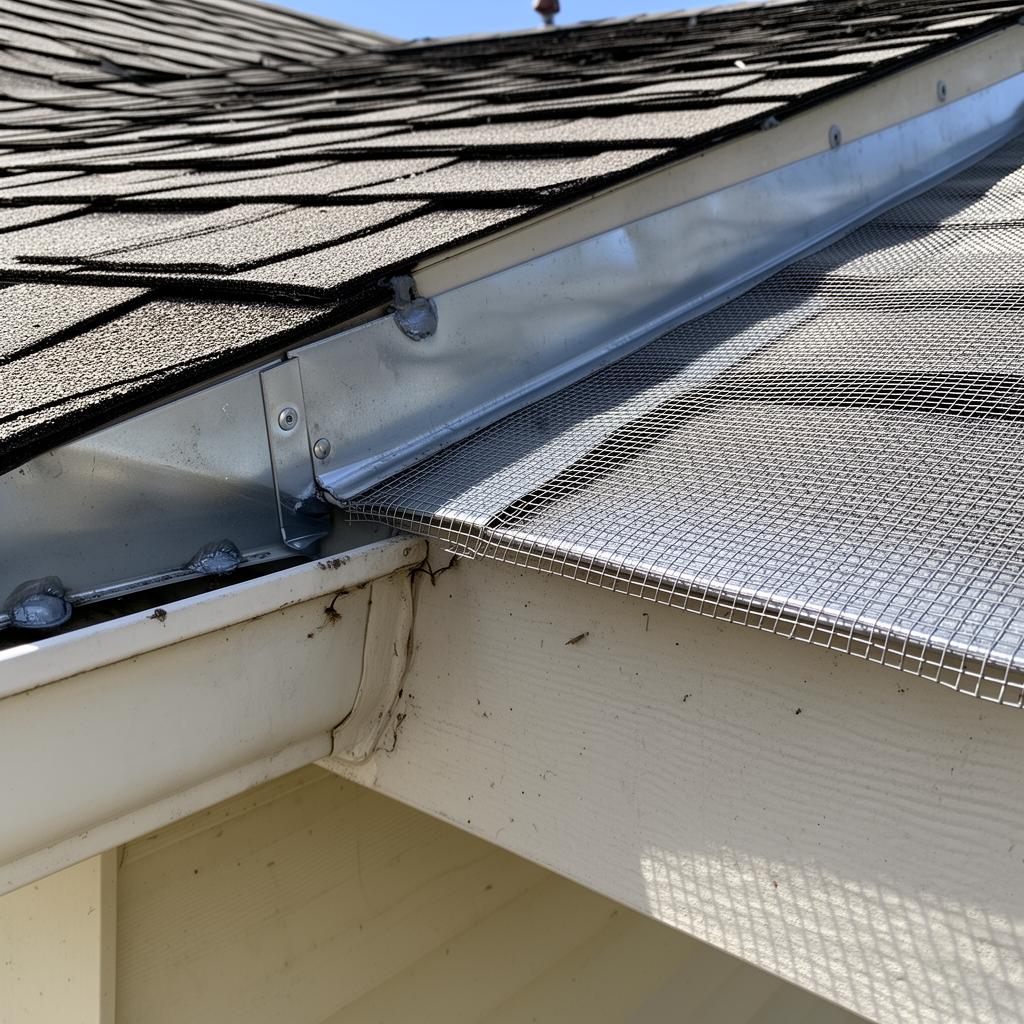
After trapping, we seal every entry point with appropriate materials. For mice, this often means copper mesh stuffed into small gaps, steel wool combined with caulk around pipes, and door sweeps on exterior doors. Full exclusion is what prevents recurrence.
Signs of a Mouse Problem in Your Miami Home
- Small, dark droppings (about the size of rice grains) in drawers, cabinets, or along baseboards
- Gnaw marks on food packaging, especially cardboard and thin plastic
- Scratching or rustling sounds inside walls, usually at night
- Shredded paper, fabric, or insulation used as nesting material
- A musty odor in enclosed areas like pantries or utility closets
- Grease smudges along baseboards or around small holes
Mouse control pricing: A typical home mouse control job with trapping and exclusion runs $250–$700. Commercial kitchens or warehouse environments may run higher depending on square footage and severity.
Frequently Asked Questions
Yes. Mice carry salmonella, hantavirus, and lymphocytic choriomeningitis. Their droppings and urine contaminate food prep surfaces and storage areas.
Absolutely. Mice nest inside wall cavities, using insulation and stored materials for nesting. They travel through walls via plumbing and electrical chases.
Cats may catch an occasional mouse, but they can't access wall voids, ceiling spaces, or sealed cabinets where mice nest and breed. Exclusion is the only permanent fix.
A typical home mouse control job with trapping and exclusion runs $250–$700. Commercial kitchens or warehouses may run higher depending on square footage.
Mouse droppings are rice-grain-sized (3–6mm) and pointed. Rat droppings are much larger (12–18mm) and spindle-shaped. Both indicate an active infestation requiring professional attention.