Why Miami Homes Are Vulnerable
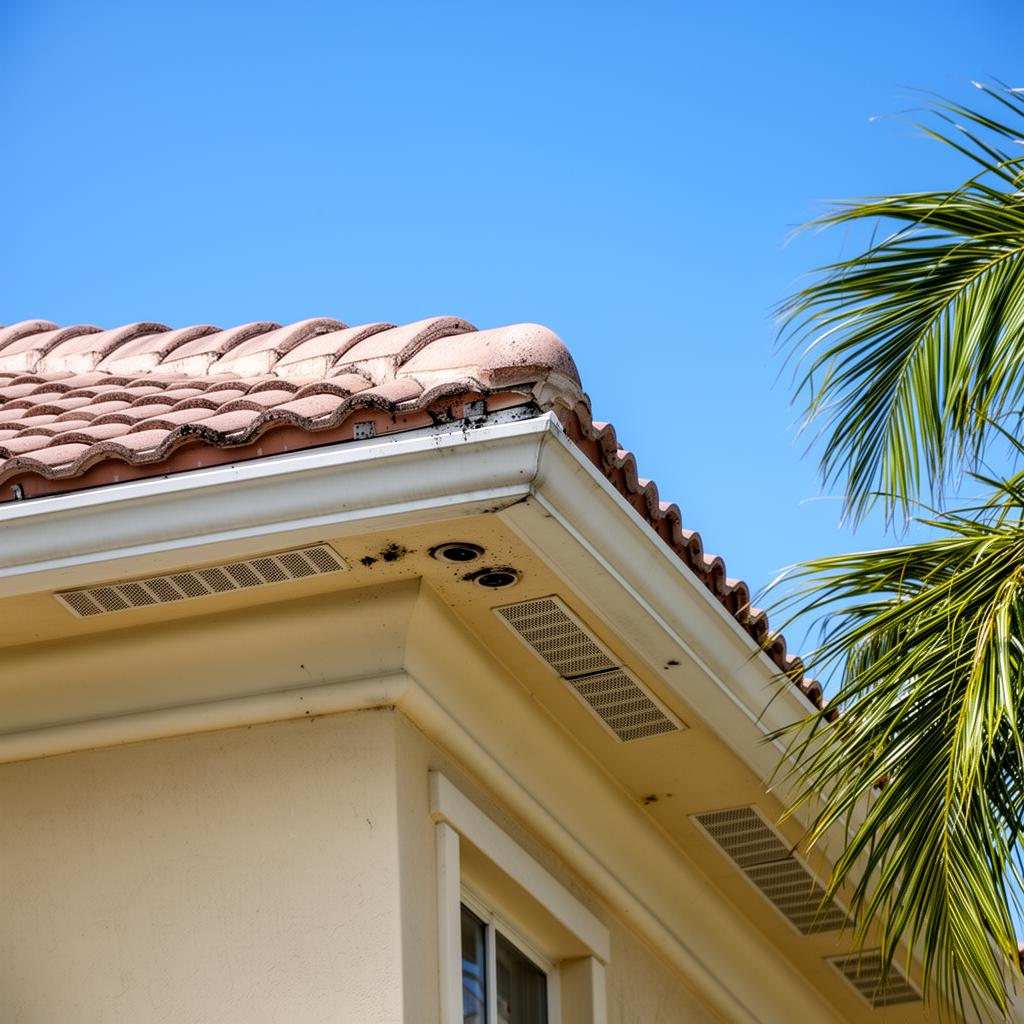
Miami's climate is ideal for rodents. Year-round warmth means year-round breeding. Abundant fruit trees provide food. Dense tropical landscaping offers shelter. And the construction style common in South Florida — tile roofs with gaps at the edges, barrel-tile ridges with open vents, stucco walls with settling cracks — creates easy access points.
Prevention isn't about making your home slightly less attractive to rats. It's about making it physically impossible for them to enter. That requires professional exclusion — sealing every opening with materials they can't chew through.
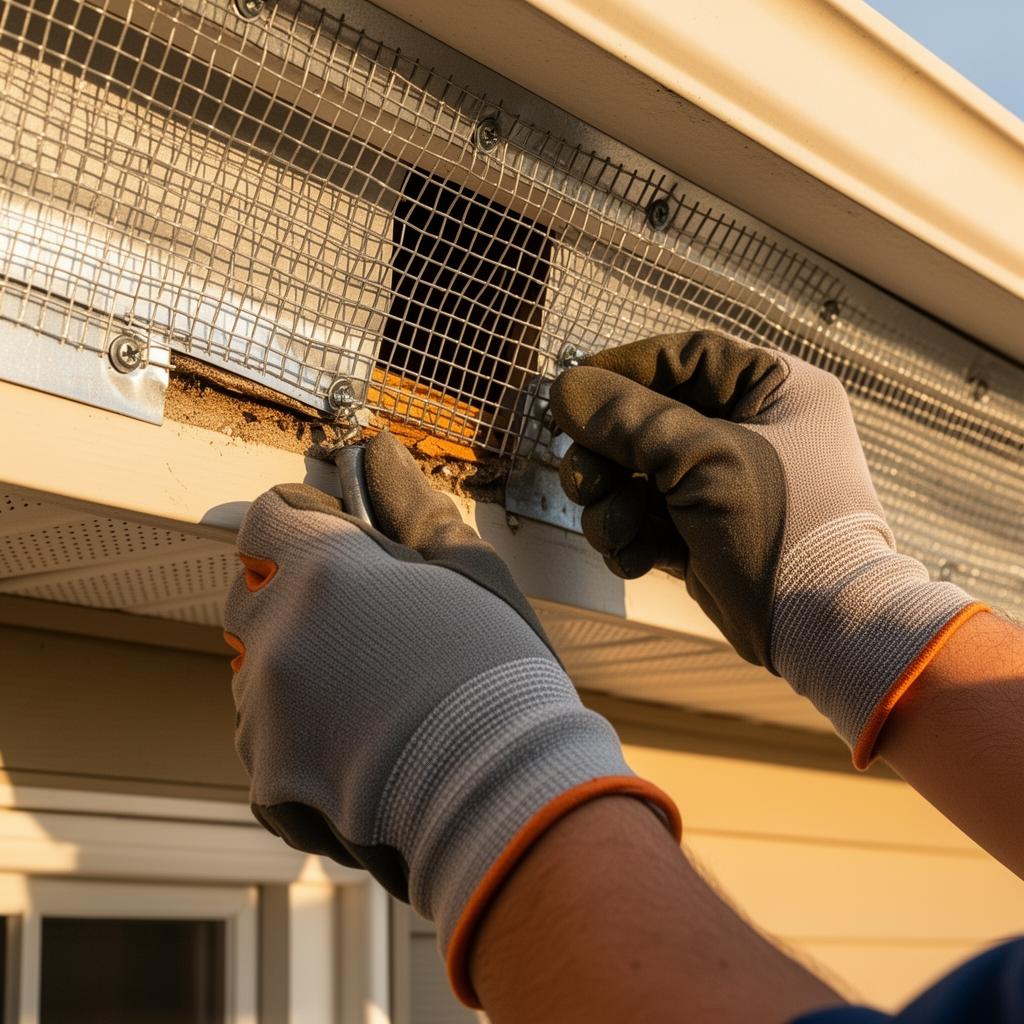
Structural Prevention (Exclusion)
The single most effective prevention measure is sealing your home's exterior. Our exclusion service covers:
- Sealing soffit-to-fascia gaps with galvanized steel mesh
- Screening roof vents, gable vents, and ridge vents with rodent-proof material
- Sealing A/C line and plumbing penetrations with steel and concrete
- Installing door sweeps on all exterior doors
- Screening weep holes in masonry construction
- Repairing or replacing damaged soffit panels
Landscaping and Yard Management
Tree Trimming
Roof rats reach rooflines by climbing trees and jumping from branches. Keep all tree limbs trimmed at least 4 feet away from your roof and walls. This includes palm fronds, which rats use as bridges.
Fruit Management
Miami yards are full of mango, avocado, lychee, and citrus trees. Fallen fruit is a primary food source for rats. Pick fruit as it ripens and clean up fallen fruit daily during season.
Ground Cover
Dense ground cover like ivy, jasmine, and bougainvillea provides harborage for Norway rats. Keep ground cover trimmed away from the foundation. Maintain a 12-inch clear zone between landscaping and exterior walls.
Food Source Control
- Store pet food in sealed metal or heavy plastic containers — never leave it out overnight
- Use garbage cans with tight-fitting lids; avoid leaving bags outside the can
- Clean up bird feeder spillage or switch to no-mess seed blends
- Don't compost meat, dairy, or cooked food in open bins
- Fix leaky outdoor faucets — rats need water daily
Prevention exclusion pricing: Preventive exclusion for a home without active infestation runs $500–$1,200 depending on home size and number of entry points. This is a one-time investment — not a monthly service.
Frequently Asked Questions
Absolutely. Prevention costs a fraction of what removal, exclusion, and cleanup cost after an infestation. A $700 prevention job can save you $3,000+ in remediation.
In Miami, quarterly trimming is ideal. Fast-growing species like ficus and palm may need attention more often. Maintain at least 4 feet of clearance from the roof.
No. Ultrasonic devices have been repeatedly tested and shown to have no lasting effect on rodent behavior. Save your money and invest in structural exclusion instead.
Professional exclusion — sealing every entry point with steel mesh and metal flashing — is the single most effective prevention measure.
Preventive exclusion for a home without active infestation runs $500–$1,200 depending on home size. A one-time investment that pays for itself.