How Rats Get Into Miami Attics
Roof rats are climbers. They scale stucco walls, palm trees, power lines, and fences to reach your roofline. Once there, they exploit gaps most homeowners never think to check: the junction where soffit meets fascia, gaps around A/C line chases, unsealed plumbing vents, and deteriorated ridge vent screening.
A gap the width of a quarter is all they need. In Miami's older homes — especially in neighborhoods like Coconut Grove, Little Havana, and Coral Gables — decades of settling create enough gaps for rats to walk right in.
Signs of Rats in Your Attic
- Scratching, scurrying, or thumping sounds overhead, usually between dusk and dawn
- Droppings concentrated along attic beams and near insulation
- Shredded insulation, cardboard, or fabric used for nesting
- Dark grease marks (rub marks) along rafters and near entry holes
- Gnaw marks on wiring, PVC pipes, or wood
- A musty, ammonia-like smell in upstairs rooms
- Stains on the ceiling from urine soaking through insulation
Our Attic Rat Removal Process
We start with a full attic inspection — checking insulation condition, identifying nesting areas, mapping runways, and locating every entry point from inside and outside. Then we set snap traps along confirmed travel routes.
We return every 2–3 days to check traps, remove rats, and reset. When traps show zero activity for 14 days straight, we move to exclusion. Every gap, crack, and opening gets sealed with steel mesh, metal flashing, or concrete — materials rats can't chew through.
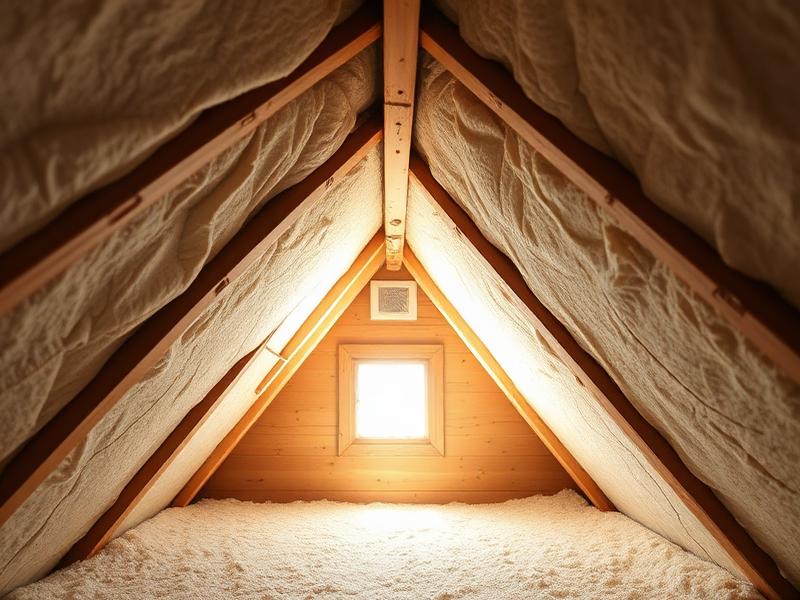
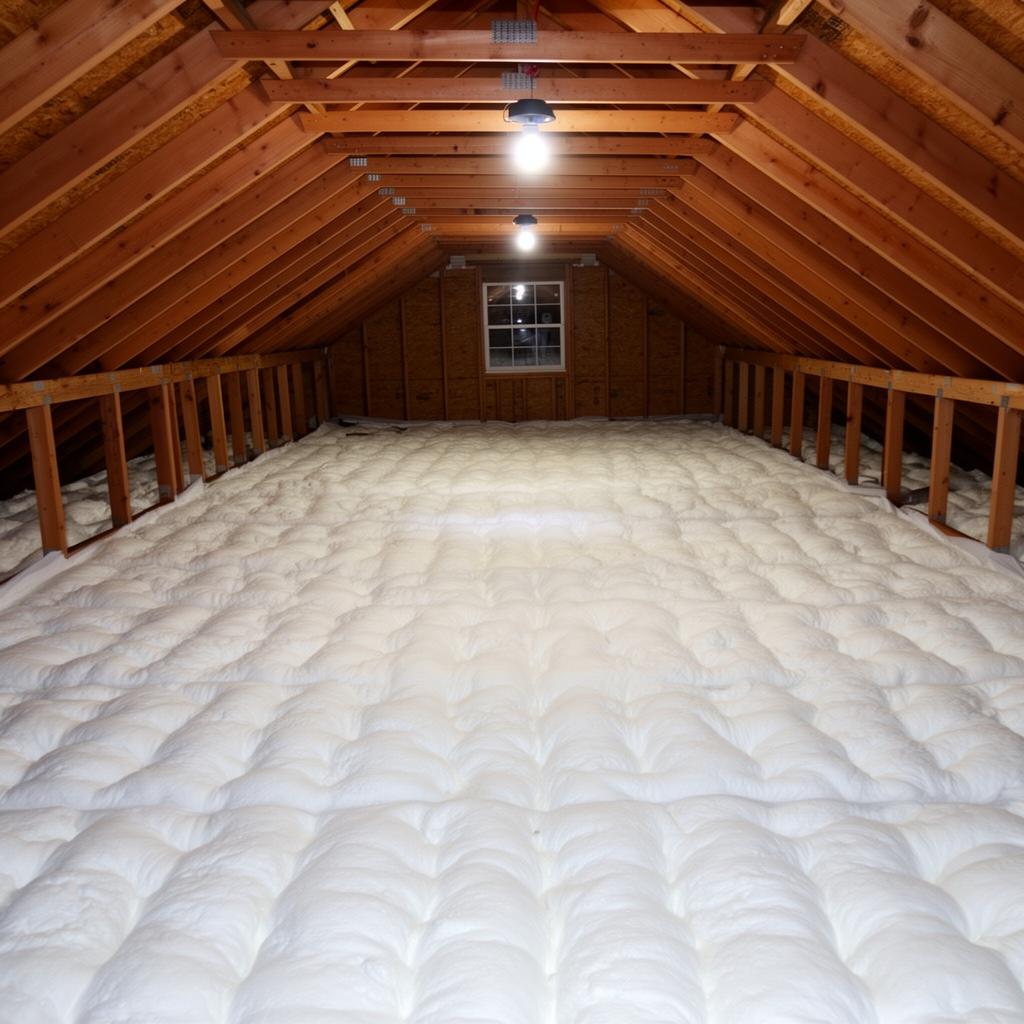
For homes with heavy contamination, we offer full attic cleanup: removal of soiled insulation, sanitization, and re-insulation. This eliminates odor, removes health hazards, and restores your attic to a usable condition.
Why Attic Rats Are a Serious Problem in Miami
Rats in the attic aren't just a nuisance. They chew electrical wiring — a documented cause of house fires. They contaminate insulation with urine and feces, creating health risks from leptospirosis, salmonella, and hantavirus. They damage HVAC ductwork, reducing efficiency and circulating contaminated air through your home.
The longer rats stay, the worse the damage gets. A small colony can shred half the insulation in an attic within a few months. Early action saves money.
Attic rat removal pricing: Trapping and exclusion for a standard Miami attic runs $400–$1,000. Add $800–$2,000 for full insulation removal, sanitization, and re-insulation if contamination is severe.
Frequently Asked Questions
You can try, but most DIY efforts fail because the entry points stay open. New rats replace trapped ones within days. Professional exclusion is what makes removal permanent.
It's uncommon but not impossible, especially if they've been nesting for months and moisture has weakened the drywall. We've seen it happen in severe cases.
We remove all contaminated insulation, vacuum droppings, apply antimicrobial sanitizer, and install new blown-in insulation. The attic is left clean and odor-free.
Trapping and exclusion for a standard Miami attic runs $400–$1,000. Full insulation removal and re-insulation adds $800–$2,000 for severe contamination.
Roof rats climb trees, power lines, and stucco walls. They enter through soffit gaps, ridge vents, plumbing vents, and A/C line penetrations.