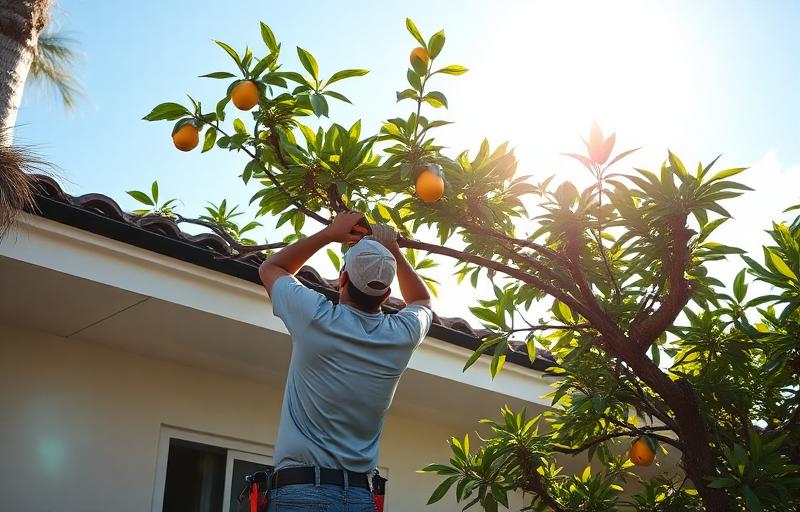
Getting rid of rats is step one. Keeping them out is step two — and it's the step most homeowners skip. Miami's tropical climate, dense vegetation, and year-round warm temperatures mean rats never stop looking for food, water, and shelter. Here's how to make your home a place they can't get into.
Trim Trees and Vegetation
This is the single most important prevention step for Miami homeowners. Roof rats access your home through tree branches that touch or overhang your roof. The fix is simple: maintain at least 4 feet of clearance between any branch and your roofline.
- Trim fruit trees (mango, avocado, citrus) so branches don't reach the roof
- Cut back palm fronds that touch the house
- Remove any vine growth climbing exterior walls
- Trim hedges and shrubs away from the foundation
- Cut back any vegetation touching power lines near your home
In neighborhoods like Coral Gables, Coconut Grove, and Pinecrest, mature tree canopy is dense. You may need an arborist for large trees, but the investment pays for itself in rat prevention.
Manage Fruit Trees
Miami is full of fruit trees. Mango season alone draws roof rats from across the neighborhood. If you have fruit trees:
- Pick ripe fruit promptly — don't let it fall and rot on the ground
- Clean up fallen fruit daily during fruiting season
- Consider trunk guards (smooth metal bands) to prevent rats from climbing
- Thin the canopy so rats can't hide as easily
You don't have to remove your fruit trees. Just manage them so they don't become a buffet.
Seal Entry Points
This is rodent exclusion, and it's the most critical step. Rats can squeeze through a gap the size of a quarter. Mice can fit through a dime-sized hole. Common entry points in Miami homes:
- Soffit-fascia gaps along the roofline
- Ridge vent openings with damaged or missing screens
- Plumbing vent pipes on the roof (uncapped)
- A/C refrigerant line penetrations
- Electrical service entry points
- Gaps around garage doors
- Weep holes in block construction
- Dryer vent covers that are missing or damaged
Use steel mesh, metal flashing, or hardware cloth — not spray foam, steel wool, or caulk. Rats chew through those in hours. If you're not comfortable on a ladder or roof, this is a job for a professional.
Secure Food Sources
- Store pet food in sealed metal or thick plastic containers
- Don't leave pet food bowls outside overnight
- Keep bird feeders away from the house (or eliminate them — bird feeders attract rats)
- Store pantry items in sealed containers
- Keep trash cans tightly sealed with secure lids
- Clean barbecue grills after use
Eliminate Water Sources
Rats need water daily. In Miami's humid climate, there's no shortage. But you can reduce the easy sources:
- Fix dripping outdoor faucets and irrigation leaks
- Empty standing water from plant saucers, buckets, and containers
- Maintain pool equipment — rats drink from pool decks and overflow areas
- Ensure A/C condensate lines drain properly and don't create puddles
Maintain Your Home's Exterior
- Replace damaged soffit screens
- Repair gaps in fascia boards
- Seal cracks in stucco or concrete block walls
- Install door sweeps on exterior doors (especially garage doors)
- Check weather stripping annually
- Inspect roof after storms for new damage or gaps
What Doesn't Work
Save your money on these:
- Ultrasonic repellers — no peer-reviewed evidence they work. Rats ignore them.
- Peppermint oil — smells nice, doesn't repel rats.
- Mothballs — toxic to humans and pets, ineffective against rats.
- Cats — a well-fed house cat rarely hunts rats. And roof rats live in attics, not on the ground where cats patrol.
When to Call a Professional Rat Control Company in Miami
Prevention works best when combined with professional exclusion. A trained technician can identify entry points you'd never notice, use commercial-grade materials. If you already have rats, prevention alone won't solve the problem — you need trapping and exclusion first, then prevention to keep them from coming back.
Schedule a free inspection or call (305) 555-0147.