If you've hired a pest control company in Miami and they showed up with green bait blocks and black plastic stations, you got the standard treatment. It's also the reason you probably still have rats. Here's why poison doesn't work — and what actually does.
The Problem with Rat Poison
Anticoagulant rodenticides — the technical name for rat poison — work by preventing blood clotting. The rat eats the bait, and over several days, bleeds internally until it dies. Sounds effective. But here's what actually happens in your home:
Dead Rats in Your Walls
A poisoned rat doesn't conveniently die outside. It crawls into the nearest dark, enclosed space — your wall cavity, your attic insulation, your soffit — and dies there. Then it decomposes. For two to four weeks, you get an unbearable stench that you can't locate or remove without cutting open walls. Flies follow. Secondary pests follow the flies.
Entry Points Stay Open
This is the fundamental flaw. Poison kills some rats inside your home, but it does nothing to seal the gaps they used to get in. Within days, new rats from the neighborhood find the same openings and move in. You've solved nothing. You've just created a cycle of killing and replacement.
Bait Shyness
Rats are intelligent. If a rat eats bait and feels sick before dying, it associates that food source with danger and avoids it. Other rats in the colony observe this behavior and avoid the bait too. Over time, poison becomes less effective even at killing the rats it's supposed to kill.
Secondary Poisoning
When a poisoned rat dies, anything that eats it — owls, hawks, neighborhood cats, dogs — ingests the anticoagulant too. Secondary poisoning is a documented threat to wildlife and pets throughout South Florida. The Florida Fish and Wildlife Conservation Commission has raised concerns about the ecological impact of residential rodenticide use.
Why Miami Pest Control Companies Still Use Poison
Simple: it's cheap, fast, and creates recurring revenue. A technician can place bait stations around your home in 20 minutes. The company charges $50 to $100 per month for "monitoring." The bait kills some rats. More rats come in. You keep paying.
Monthly contracts are the business model. Poison ensures you need ongoing service. It's not in the company's financial interest to permanently solve your problem.
What Actually Works: Trapping + Exclusion
Step 1: Trapping
Commercial-grade snap traps placed in active runways — attic spaces, wall voids, along rooflines. Trapping removes rats cleanly with no decomposition odor, no secondary poisoning risk, and full accountability (you can see every rat that's been caught and monitor the decline in activity).
Step 2: Exclusion
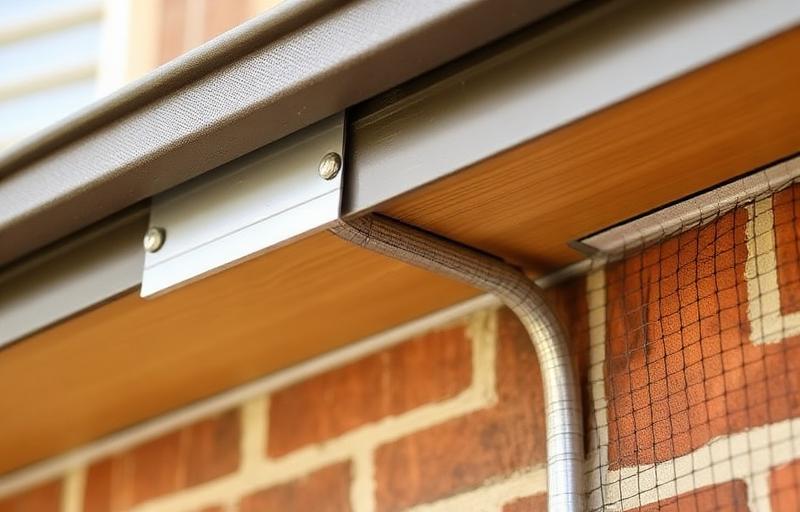
Rodent exclusion is the permanent fix. Every entry point gets sealed with materials rats can't chew through: steel mesh, metal flashing, hardware cloth, concrete. Rats can squeeze through a gap the size of a quarter. Mice can fit through a dime-sized hole. We close every one.
Once exclusion is complete, no new rats can enter. The trapped rats are removed. The problem is solved — permanently. No monthly visits. No recurring charges. No dead rats in your walls.
Step 3: Cleanup
After the rats are gone and entry points are sealed, attic cleanup and sanitization removes droppings, urine, and contaminated insulation. This step is important for air quality and health, especially if rats have been present for weeks or months.
The Bottom Line on Rat Control in Miami
Poison is a treatment. Exclusion is a cure. If you've been paying a pest control company monthly and you still have rats, the problem isn't the rats — it's the method.
We don't use poison. We trap, exclude, and seal. One-time service. Permanent results.
Get a free inspection or call (305) 555-0147.